From Random Guesses to Revenue Drivers
Six figures in incremental revenue and tens of millions in donations raised built without a baseline, under tight enterprise constraints.
Six-figure revenue gain
1.64% completion lift
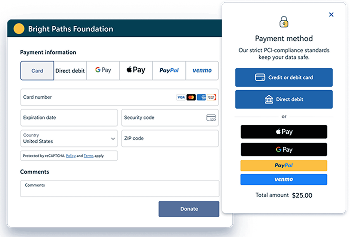
Six figures in incremental revenue and tens of millions in donations raised built without a baseline, under tight enterprise constraints.
We faced increasing competitive pressure from point solutions offering modern checkout experiences. Our mandate was to optimize donation conversions but we were starting from scratch with no A/B testing culture, no baseline data on donor behavior, and no shared understanding of what “better” even meant.
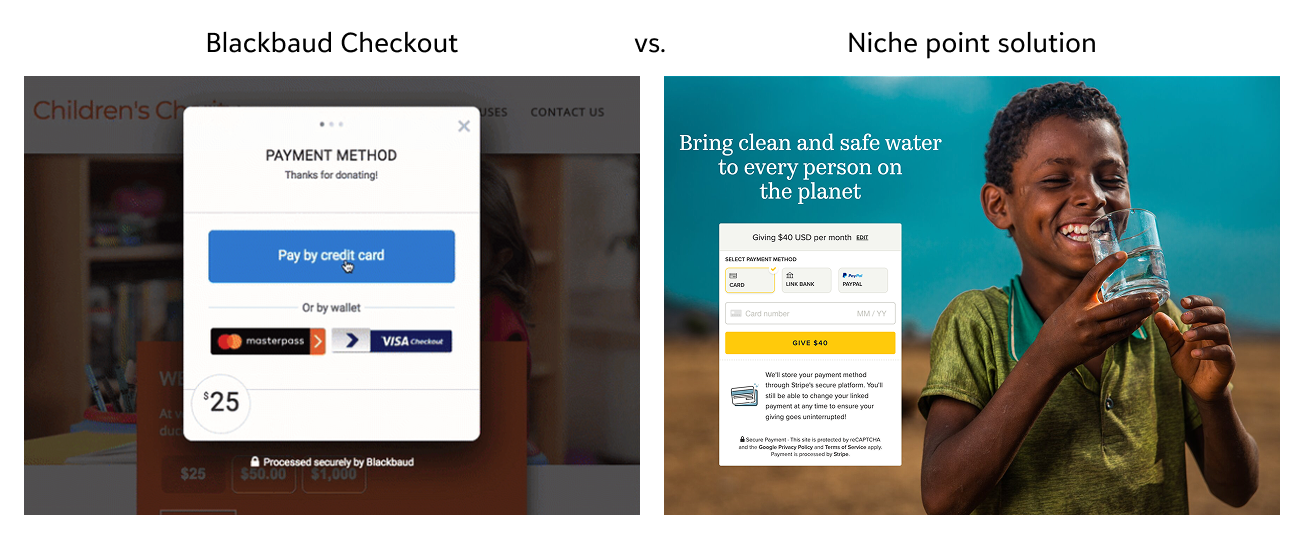
The structural challenge was just as significant: the payments team owned only the “middle” of the donation flow. We had zero control over how donors arrived or the donation form that launched our payment service. We had to deliver outsized impact inside a narrow lane.
Enterprise projects slow down when communication gets unclear. We faced pushback from teams lacking resources to prioritize our experiments — partly because of an assumption that another team was already working on a future payments flow, years out.
I facilitated workshops using an Impact vs. Effort matrix to prioritize the most valuable tests within rigid payment release schedules without overloading other product teams. This framework became the foundation for every test we ran — and the model other teams later adopted.

Feature Prioritization Matrix: ranking A/B test candidates by user value versus technical effort.
I conducted a cognitive walkthrough and analysed donor feedback to uncover a critical pain point: donors were confusing the Visa SRC digital wallet logo with the standard credit card button. When donors clicked Visa SRC by mistake, they encountered mandatory account creation and at least 3 additional screens causing significant drop-off.
The result: a 1.64% lift in donation completions, translating to a six-figure increase in additional revenue over three months and an eight-figure increase in donations for our customers. More importantly, it validated the model: user research pinpoints where to test; A/B testing proves the impact.
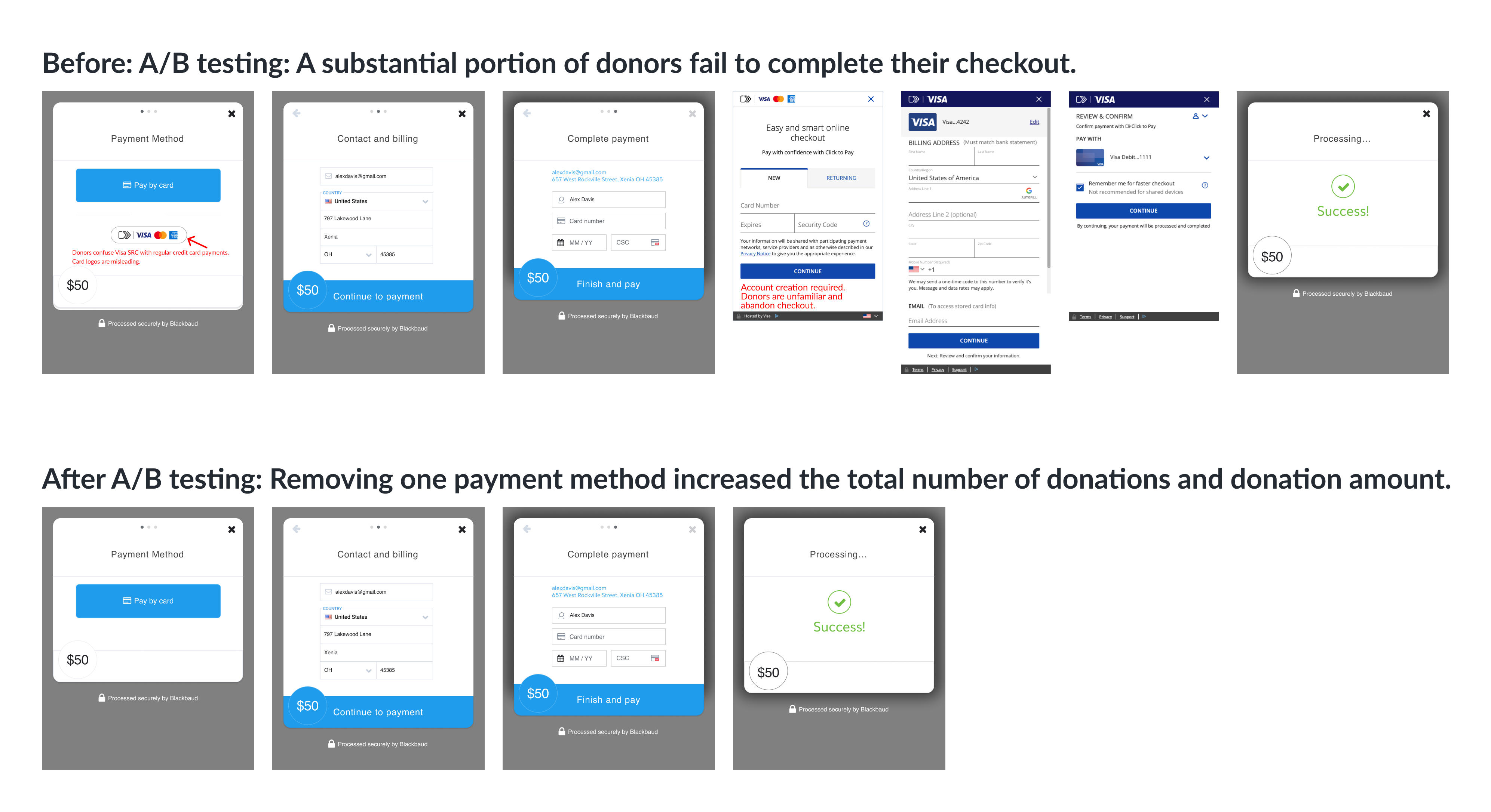
Optimized payment methods panel. Blackbaud Checkout. Note: Screens show placeholder data to maintain NDA compliance.
This project did more than raise revenue, it changed how the business approaches A/B testing entirely. Rather than picking random elements to test, product teams now use user research to identify where friction is highest, then test targeted interventions.
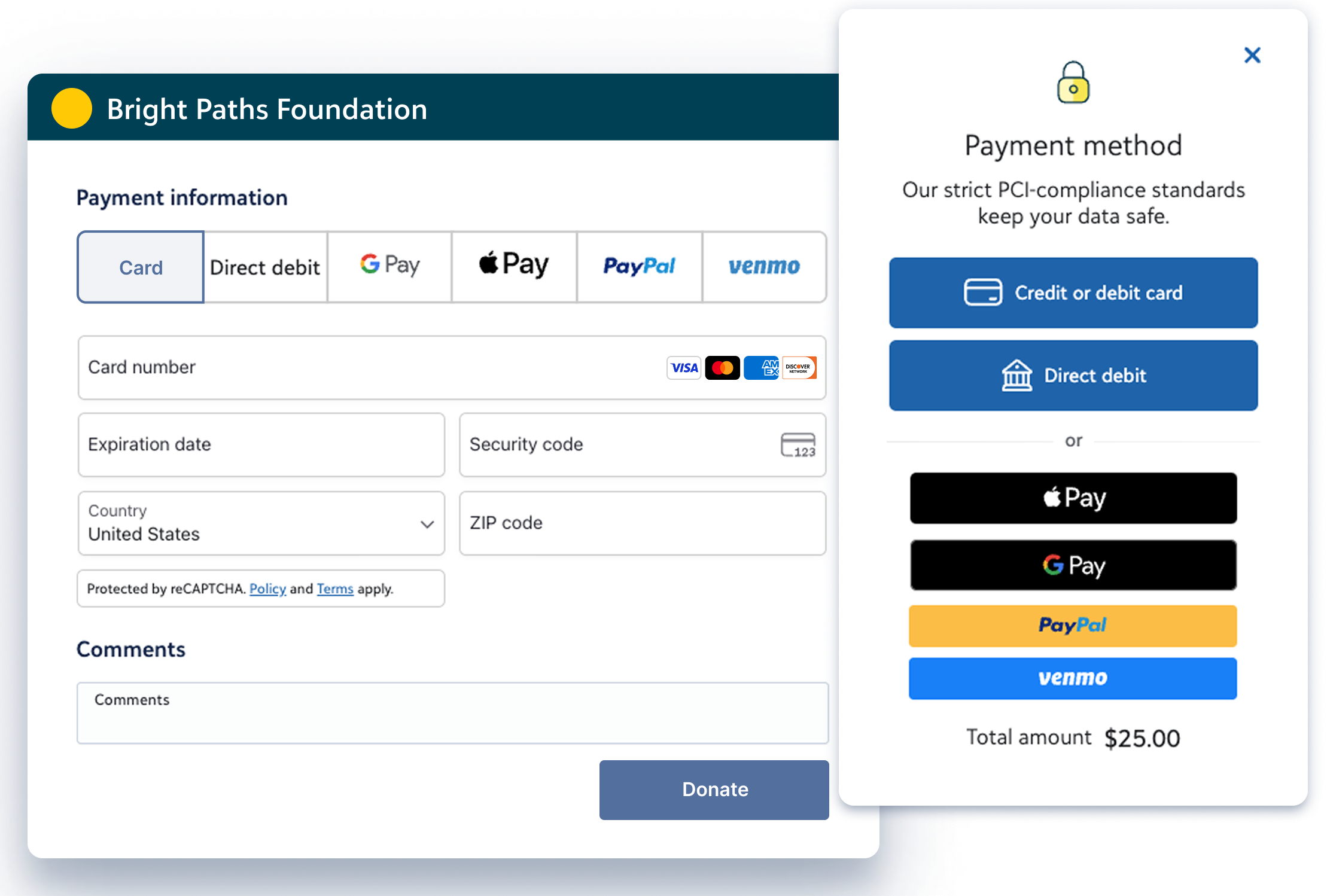
Upgraded modern checkout. Blackbaud SKY API Documentation.
Lessons Learned: A/B testing is all about learning quickly. Every failed experiment gives us data but we can target our tests to things that really matter by simply talking with real people. The goal isn't to run tests for the sake of them but to drive tangible outcomes for users and the business.